
It's gone seven, one monitor is still on in the office, and someone is retyping into a file data that was already written somewhere else this morning.
That isn't disorganisation. It's that the step is still being done by hand. And digitalising a business starts exactly there, not with a new program.
What manual work actually costs you
Do the sums on one thing only — whichever comes to mind first. If it takes forty minutes and happens three times a week, that's two hours. Over a year it's a hundred hours: two and a half working weeks spent redoing something that had already been done.
Then there are the costs that never appear on an invoice. The current price list living in one person's head. The figure written on a scrap of paper that disappears. The customer asking where things stand, and nobody able to answer without three phone calls. The typing error someone downstream will have to find and fix.
None of these looks serious on its own. Together they're the reason a monitor is still on at seven.
Digitalising a business starts with one process
The most common mistake is starting with the tool: buy a system, install it, and three months later one person in five is using it. The right order is the opposite.
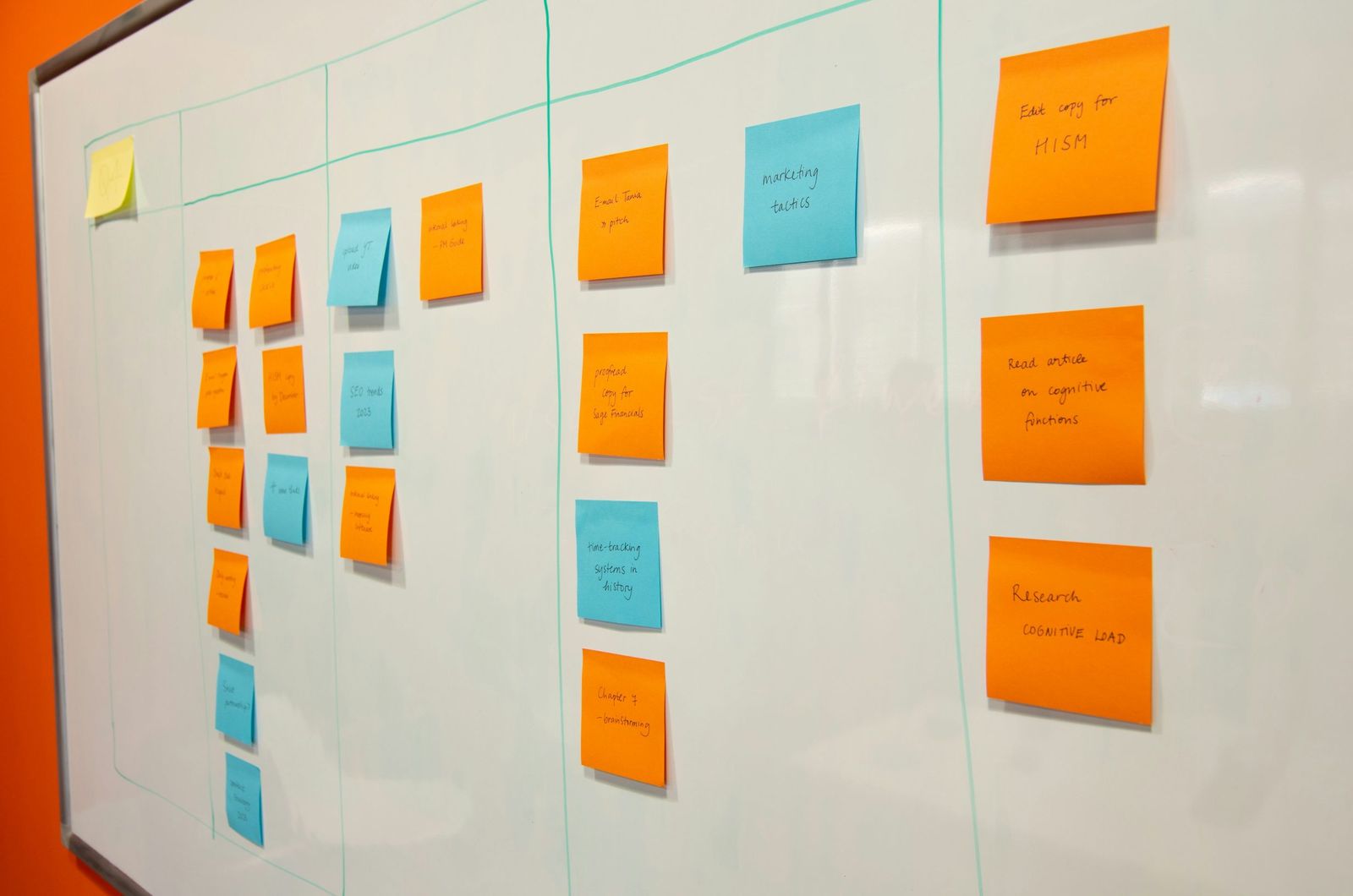
Take a sheet of paper and write down what gets repeated identically every week: quotes, supplier orders, data entry, documents rebuilt from scratch, deadline checks, customer requests. Next to each one put two numbers: how many times a month it happens, and how many minutes it takes.
Then look at the row with the highest figure. It isn't the most annoying one, it's the most frequent: a ten-minute task repeated three hundred times a month weighs more than a half-day task that happens twice a year. That's the one to fix first.
One piece of advice: get those numbers from the people who do the work, don't estimate them from a desk. Whoever prepares the documents or enters the data knows where the day jams up, and usually has known for years without anyone asking.
An example. With GM Service we started from quotes, which were the bottleneck, and Agens came out of it: today a quote takes a few minutes, with the right prices pulled from the price list. Everything else came later, when real use showed what was actually needed. The method is the same whatever the sector: start with one thing, measure it, then decide whether to continue.
The three objections I always hear
"It costs too much." The right comparison isn't between the project price and zero, it's between the project price and the hundred hours a year from the example above. If the first step doesn't pay for itself in a reasonable time, I'll be the one telling you not to do it.
"I haven't got time right now." Nothing has to stop. The first step covers one thing only, everything you use today stays in place, and it usually goes live within a few weeks.
"My people aren't good with computers." That's the most important point, and it's the criterion I design around: few screens, large text, no complicated login. If an operation takes more than a few seconds, the people doing the work won't do it — and then there's no point building it.
Book a meeting
If while reading you've already thought of the task that eats most of your time, you've done half the work. The other half is working out whether automating it pays, and fifteen minutes on the phone is enough for that.
Book a meeting: you tell me how you work, I'll tell you where I'd start. No commitment, and if the answer is "this is fine as it is, leave it alone", I'll tell you that too.